






Case narrative
Project overview
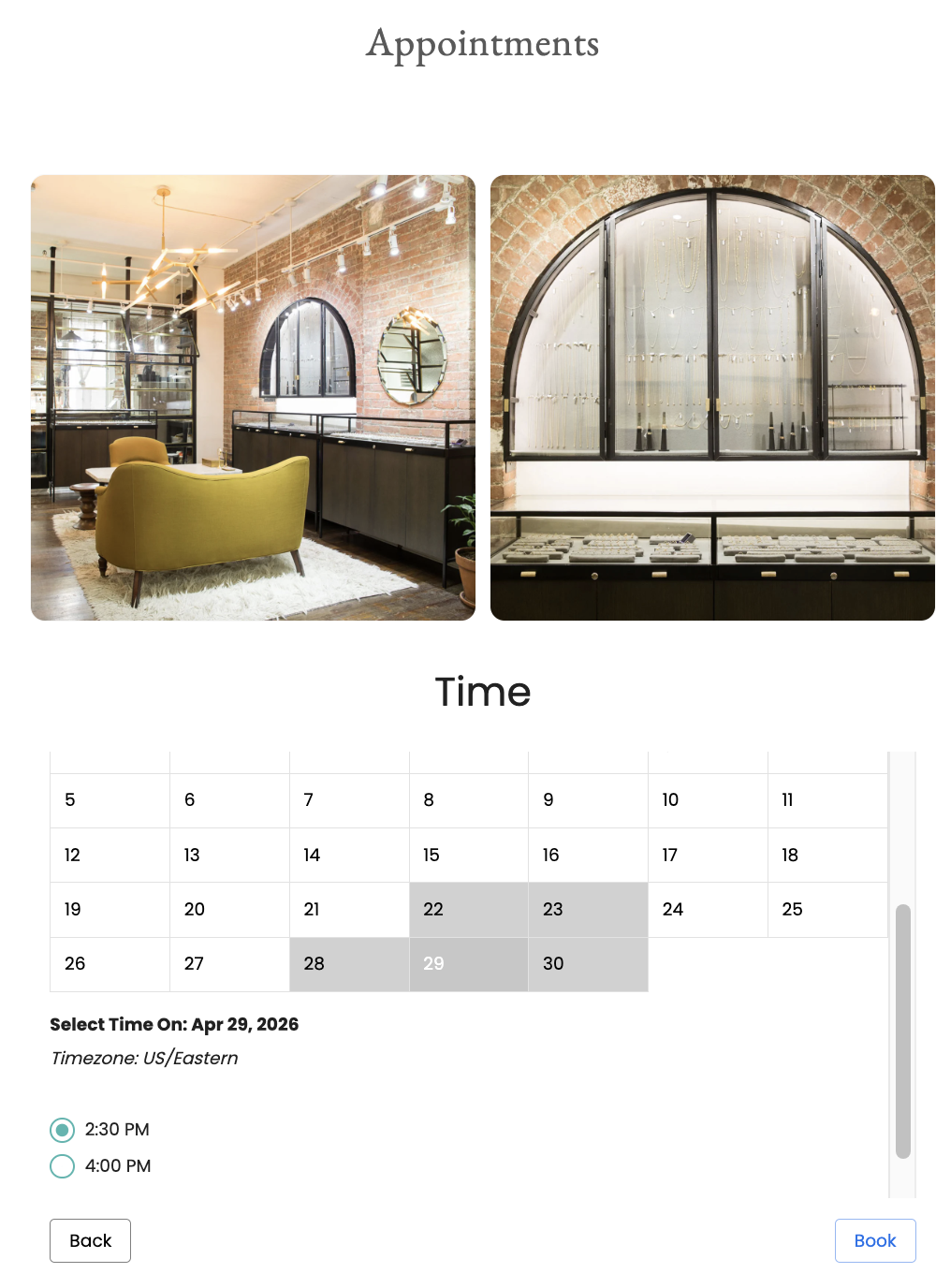
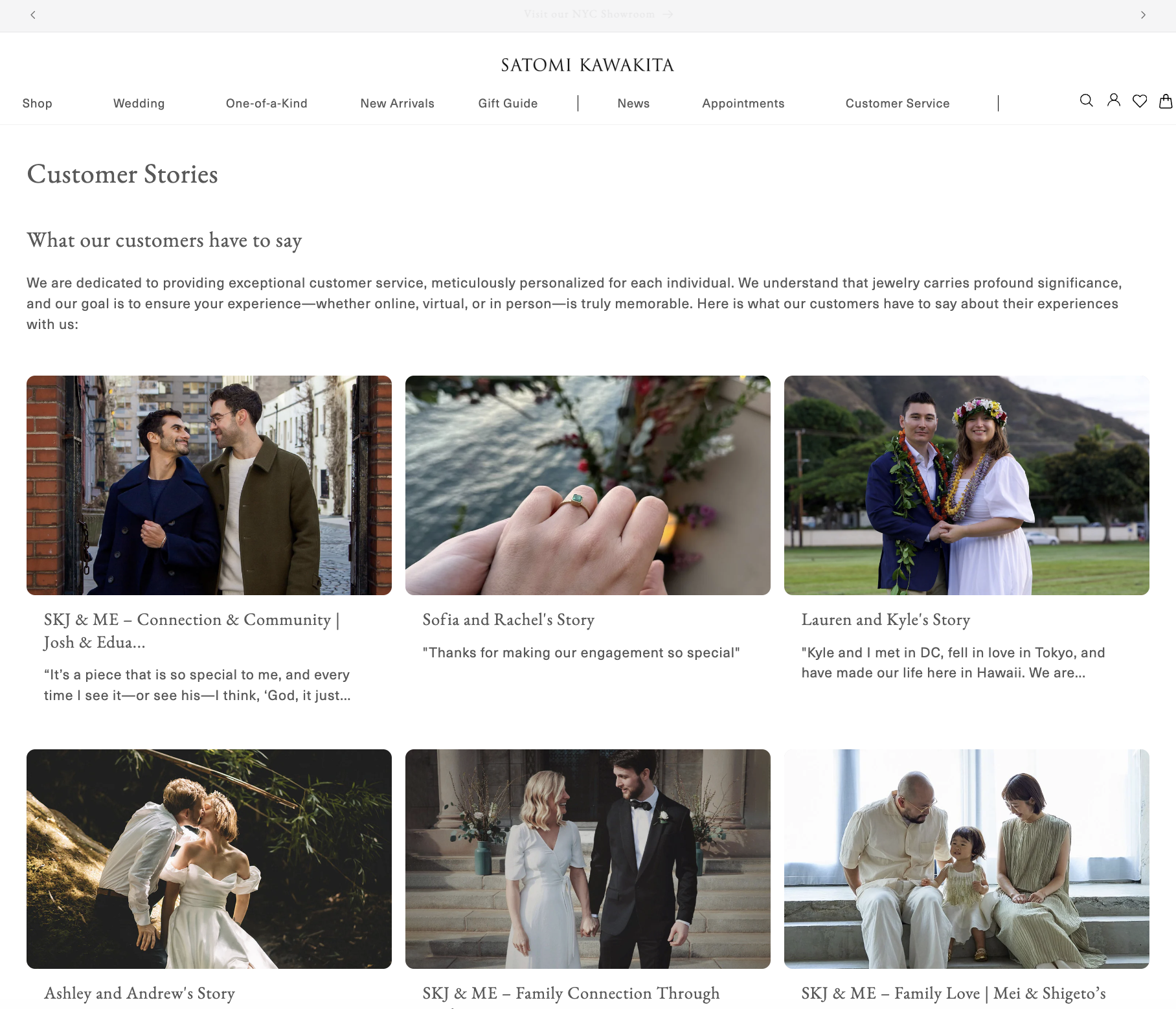
Satomi Kawakita Jewelry is a fine jewelry brand known for its distinct aesthetic and strong presence in the U.S. market. While the brand itself was well established, its digital infrastructure had not kept pace with its growth. The site was operating across both WordPress and Shopify, resulting in a fragmented experience and increasing technical debt over time. As content and functionality evolved, the underlying codebase became difficult to manage and performance began to degrade. The objective was to stabilize the foundation first, then rebuild the experience in a way that supports both the brand's positioning and its day-to-day operations.
The challenge
The primary issue was not just platform fragmentation, but the condition of the code itself. The coexistence of WordPress and Shopify had led to an inconsistent structure, and over time the implementation became increasingly difficult to maintain. The codebase lacked clarity and optimization, which resulted in a heavy, slow-loading site. This had a direct impact on SEO performance as well as user experience. Before any strategic improvements could be made, these foundational issues needed to be addressed. Stabilizing the code and improving performance became the immediate priority. In addition, the Shopify environment was still based on Online Store 1.0, limiting flexibility in both design and content management. Moving to Online Store 2.0 was necessary to enable a more modern, scalable structure. Operational efficiency was also a concern. Daily workflows relied on manual processes, and selecting the right set of apps to support ongoing operations became an important part of the solution.
The solution
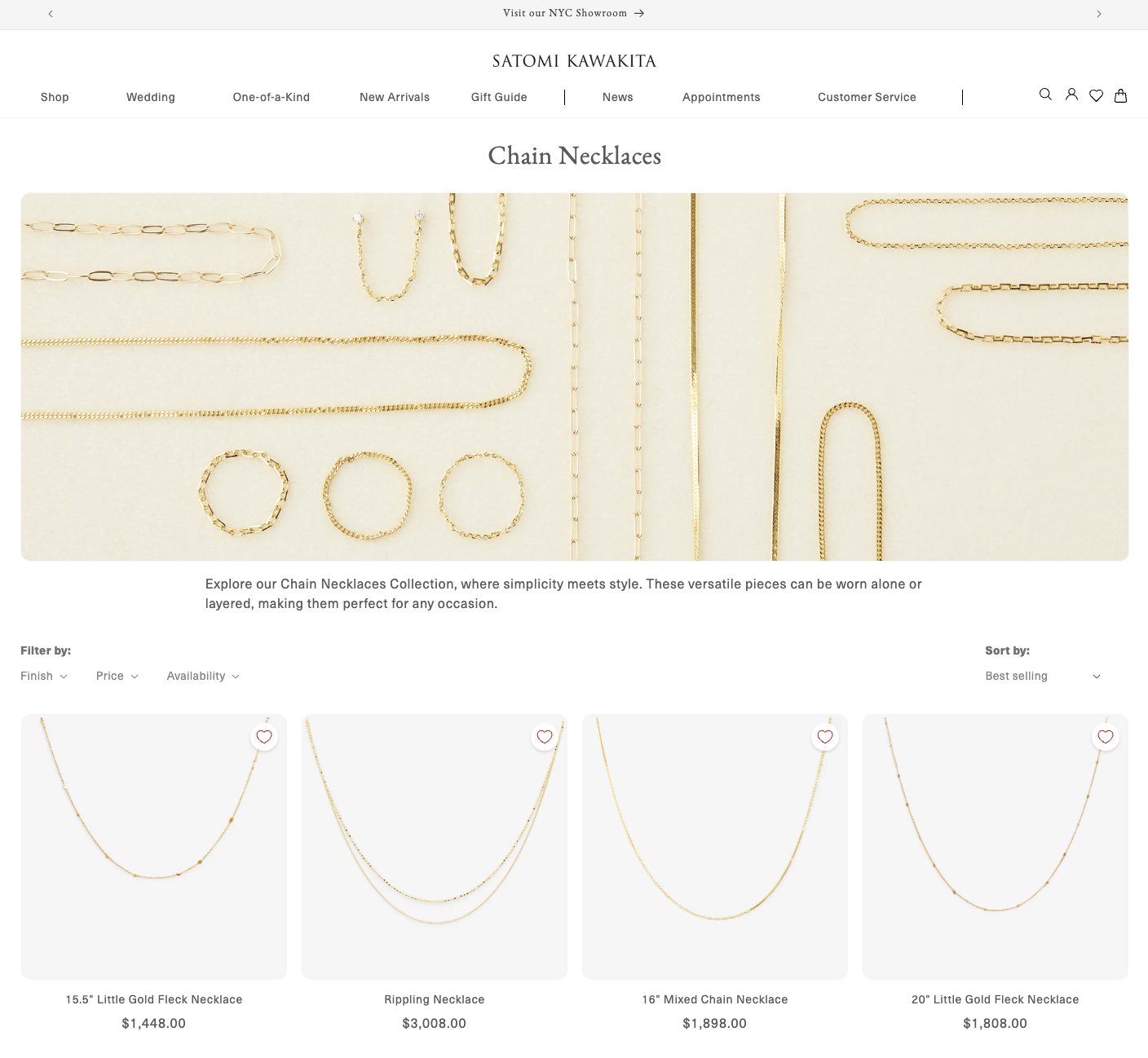
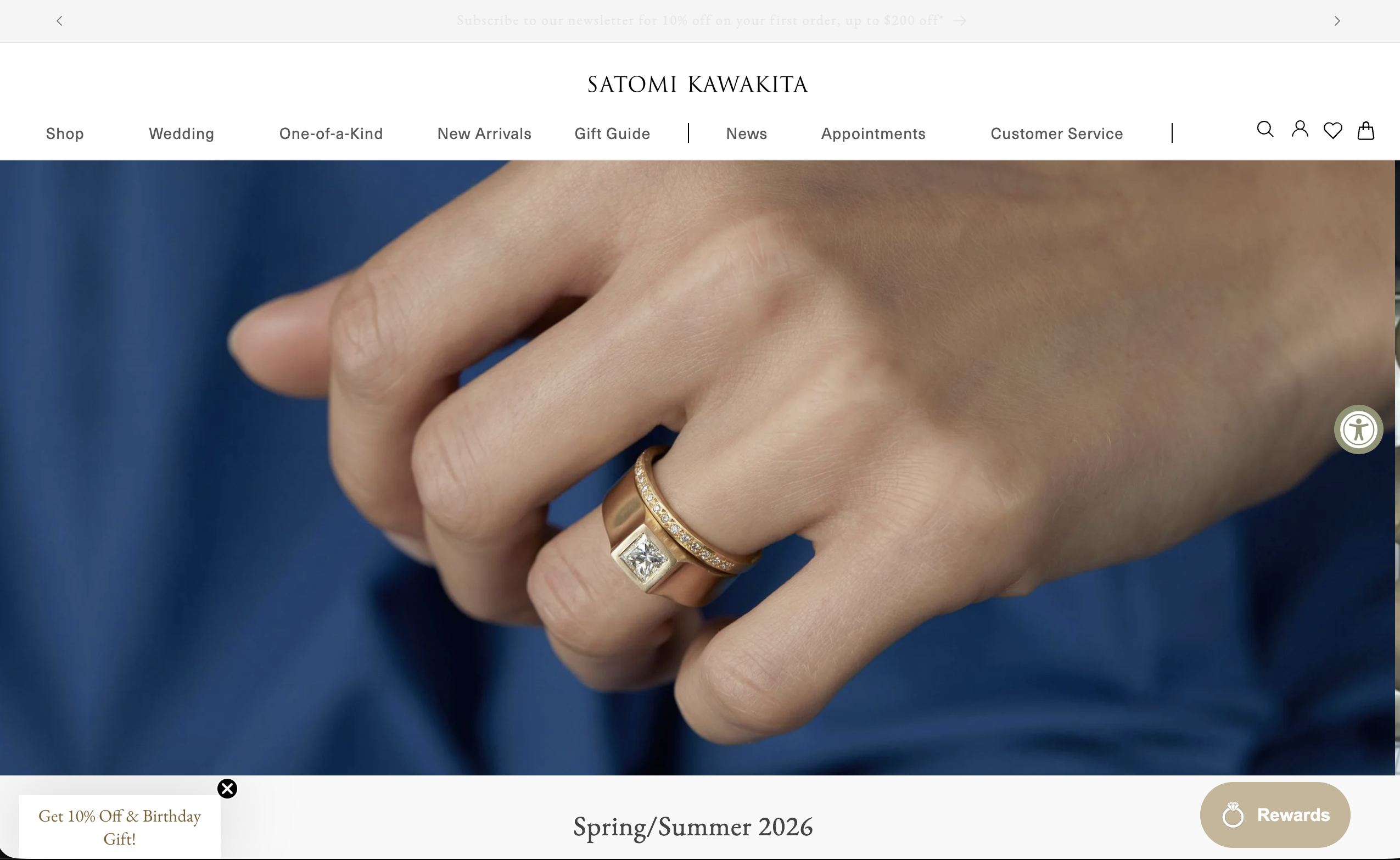
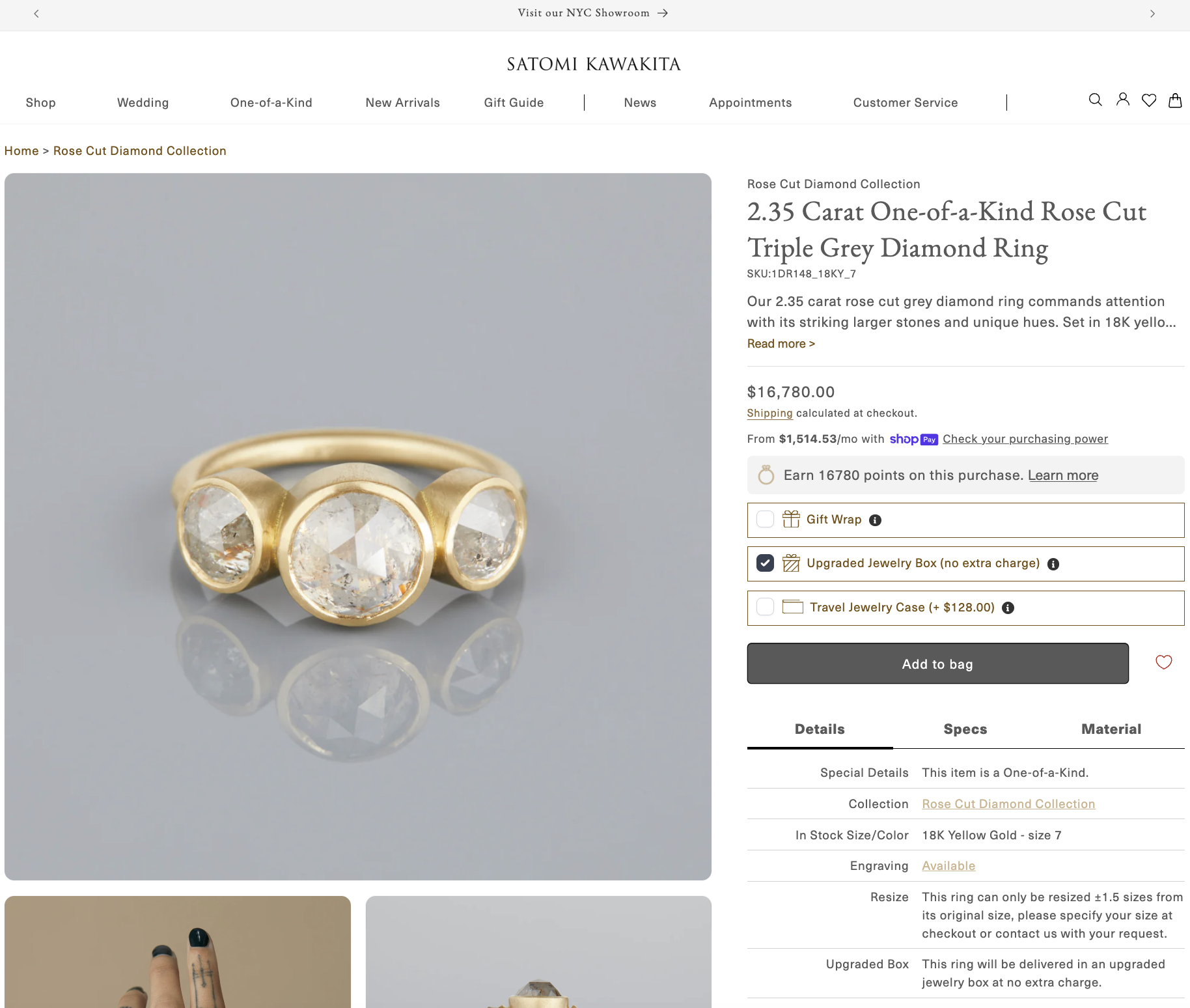
The approach focused on resolving core technical issues first, then building a more flexible and maintainable system. The existing codebase was reviewed and refactored to remove inefficiencies and reduce unnecessary complexity. This significantly improved performance and established a stable foundation for further development. The Shopify store was migrated from Online Store 1.0 to Online Store 2.0, enabling a more modular and scalable structure. This allowed for greater flexibility in both layout and content management, while also supporting future design evolution. Design adjustments were introduced to align the digital experience more closely with the brand's identity, while maintaining clarity and usability across the site. In parallel, a selection of apps was introduced to streamline daily operations. These were chosen based on actual workflow needs, reducing manual overhead and improving overall efficiency. The result was a system that is not only cleaner and faster, but also easier to manage and extend.
Results
Following the improvements, the site performance and overall stability improved significantly. Page load times were reduced, and the site became more responsive across devices. This had a direct impact on usability as well as search visibility. With a cleaner structure and improved performance, the foundation for SEO was strengthened, allowing the site to perform more consistently in search. Internally, the transition to Online Store 2.0 and the introduction of selected apps simplified day-to-day operations. Content updates became easier, and the team gained more flexibility in managing the storefront without relying heavily on development resources. The platform is now positioned to support ongoing growth, with a structure that can evolve alongside the brand.
Impact
Improved significantly
Site performance
Stabilized
SEO health
Improved
Operational efficiency